
...
| Field | Description |
|---|---|
| Ticket ID | AMM-1889 |
| Severity | BUG |
| Category | Bug |
| Affected Module / Feature | ECD |
...
2. Issue Description
When
IsAllocatedbecomes 0 due to a language mismatch:
The same Mother ID reappears on the ECD Supervisor Dashboard for allocation.
This happens because the dashboard logic only considers the allocation count, not the previous failed allocation reason.
As a result:
Previously handled calls may be reallocated again
And may appear under the Associate Call Category incorrectly.
...
3. Root Cause Analysis (RCA)
During the call closure process, the system enforced a preferred language validation between the Associate and the Beneficiary:
The Associate’s mapped language was validated against the Beneficiary’s preferred language.
When a language mismatch occurred at call closure:
The system updated the
t_mothervalidrecordtable.The
IsAllocatedflag for the corresponding Mother ID was reset to 0.
This caused the system to treat already allocated records as unallocated, allowing them to reappear on the ECD Supervisor dashboard.
Why the Issue Occurred
The ECD Supervisor dashboard relies primarily on the
IsAllocatedflag to determine allocation eligibility.It does not distinguish between:
Newly unallocated records, and
Records reset due to validation failures during call closure.
As a result, records with language mismatch failures re-entered the allocation flow and appeared under the Associate Call category again.
Resolution / Fix Applied
The language validation check has been removed during the call closure process.
This ensures that:
Call closure does not reset the
IsAllocatedflag due to language mismatch.Already allocated records do not reappear for reallocation on the supervisor dashboard.
Conclusion
The issue was caused by enforcing language validation during call closure, which unintentionally reset the allocation status. By removing the language checks at the closure stage, the allocation flow remains consistent, preventing duplicate allocations and incorrect call categorization.
4. Corrective Actions (Fixes for this instance)
...
Implement
checkKeyExistsintm-apito validate the session/login key and optionally the IP. UpdatepreHandleto call this method for requests with authorization headers and returnUSERID_FAILURE (5002)for invalid or missing keys, avoiding fallback tocommon-api. Add logging for failed validations including userId, IP, and timestamp. Test the flow to ensure invalid or missing keys are blocked and proper status codes are returned.
...
...
...
...
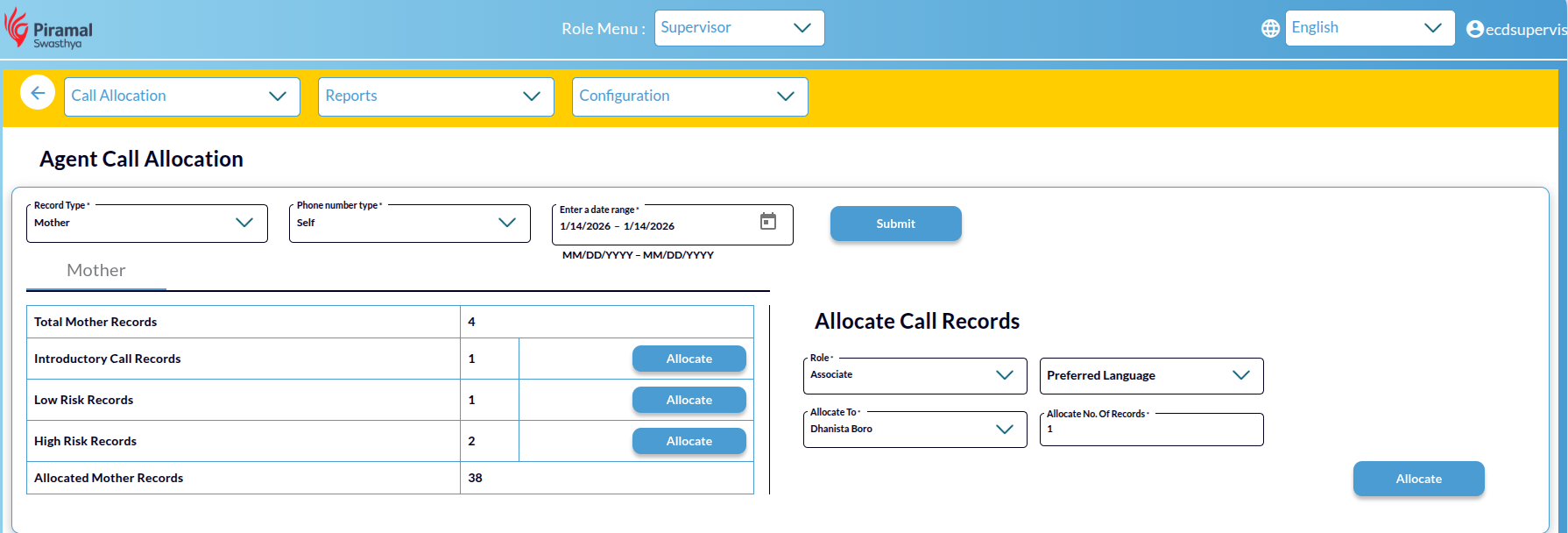
- Introductory call in ecd supervisor dashboard:
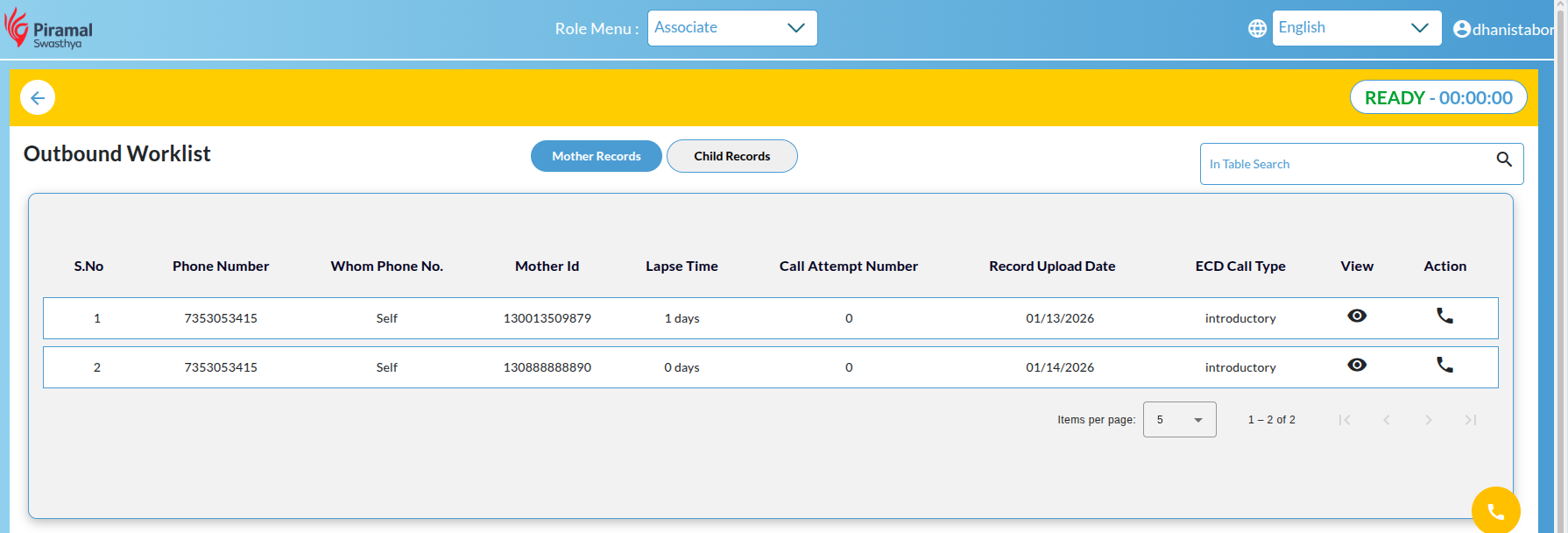
- Associate allocatiion:
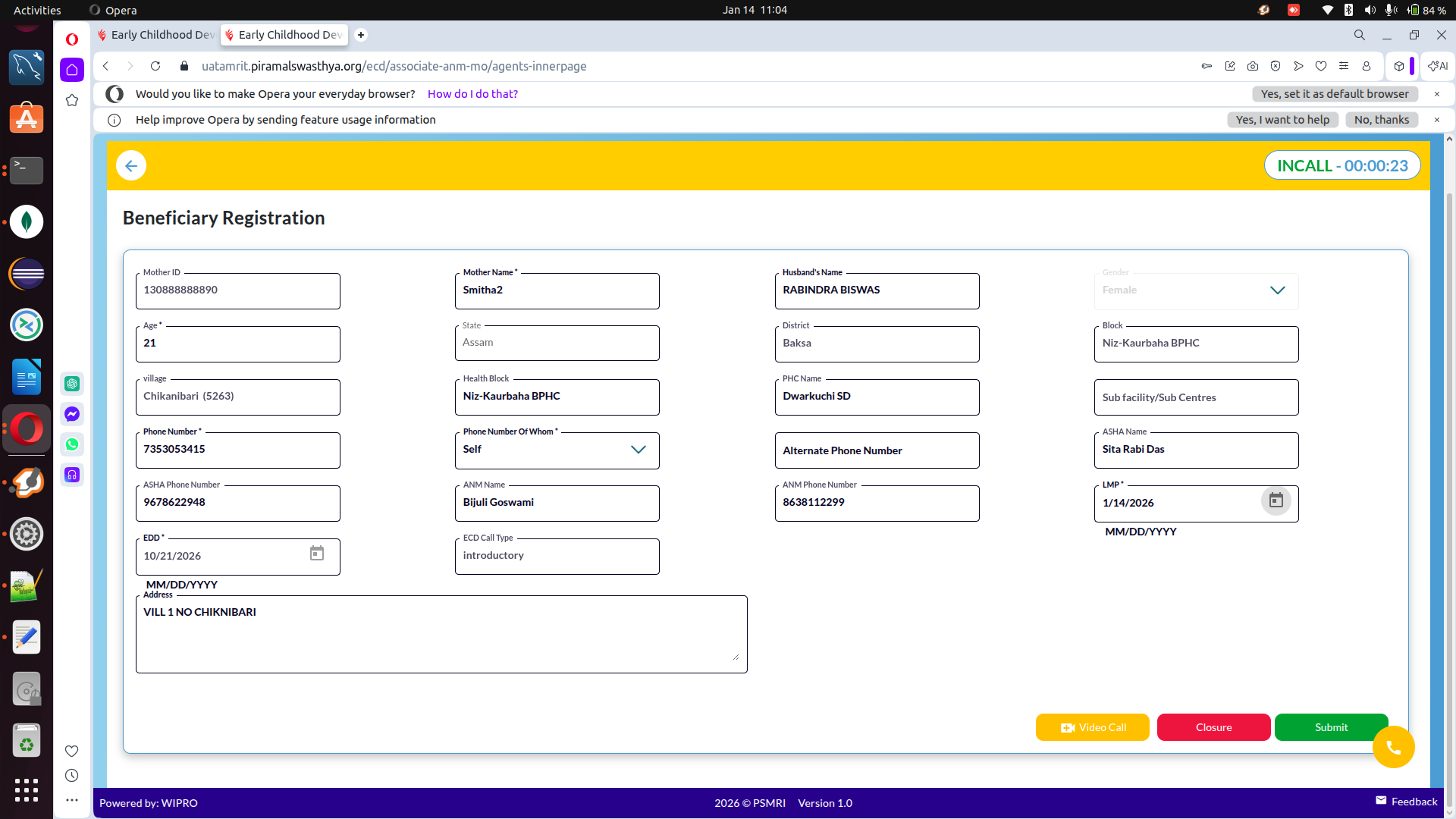
- Call done with language map miss with i used dhanista boro he knows assame but while call cloase choosen hindhi
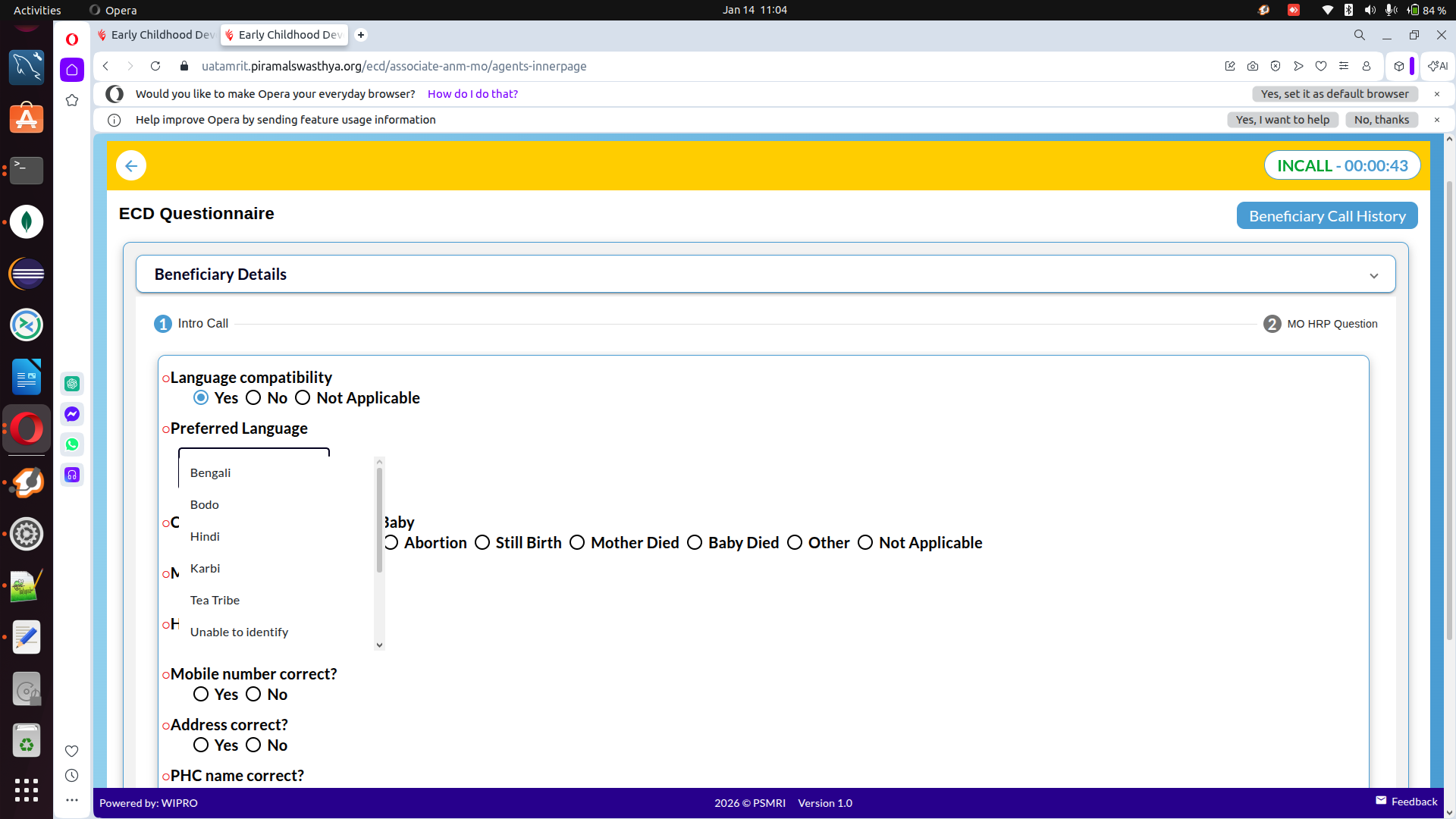
- Because of langauge logic again back to ecd supervior
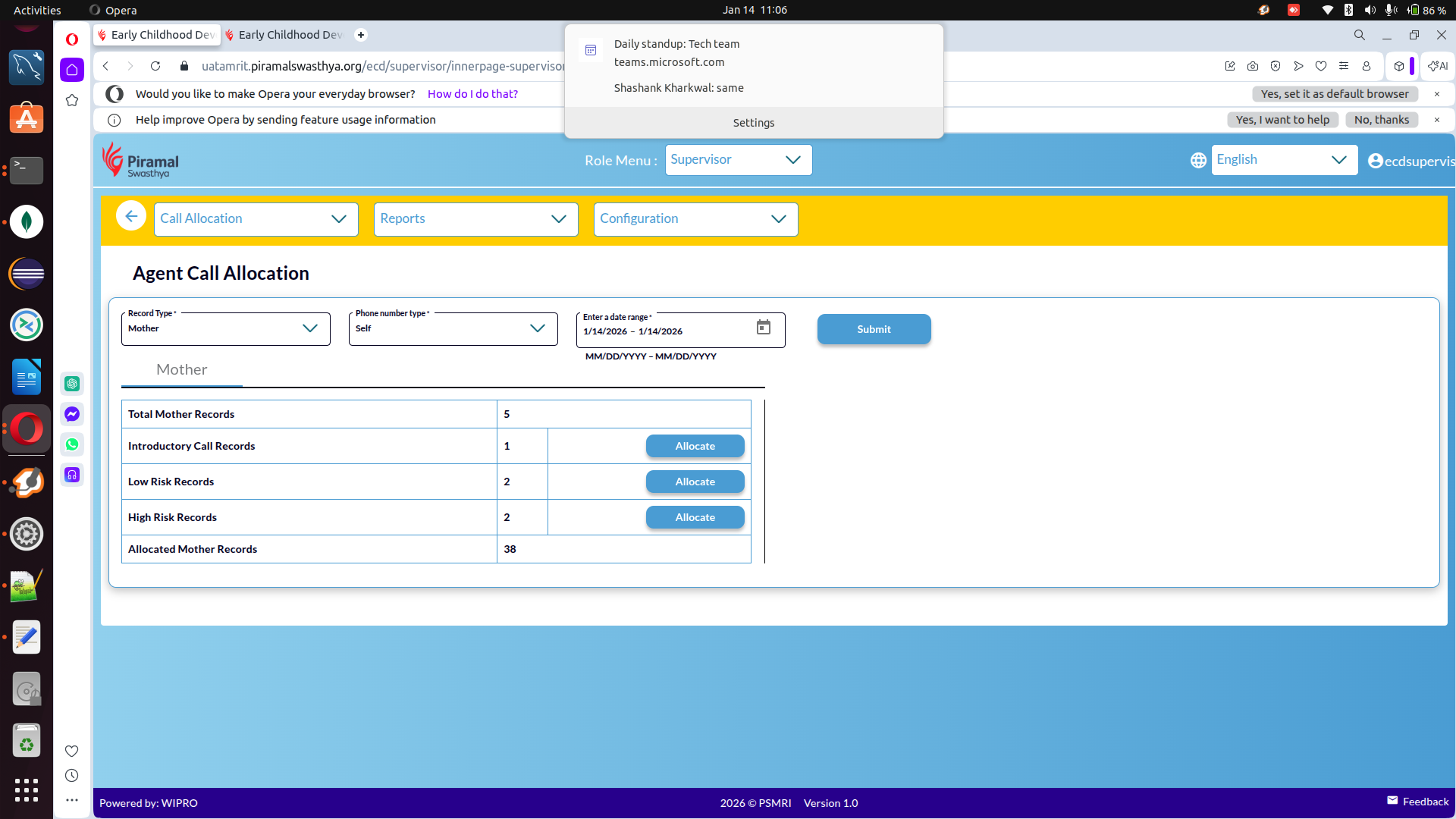
- Again he can allocate to other supervisor
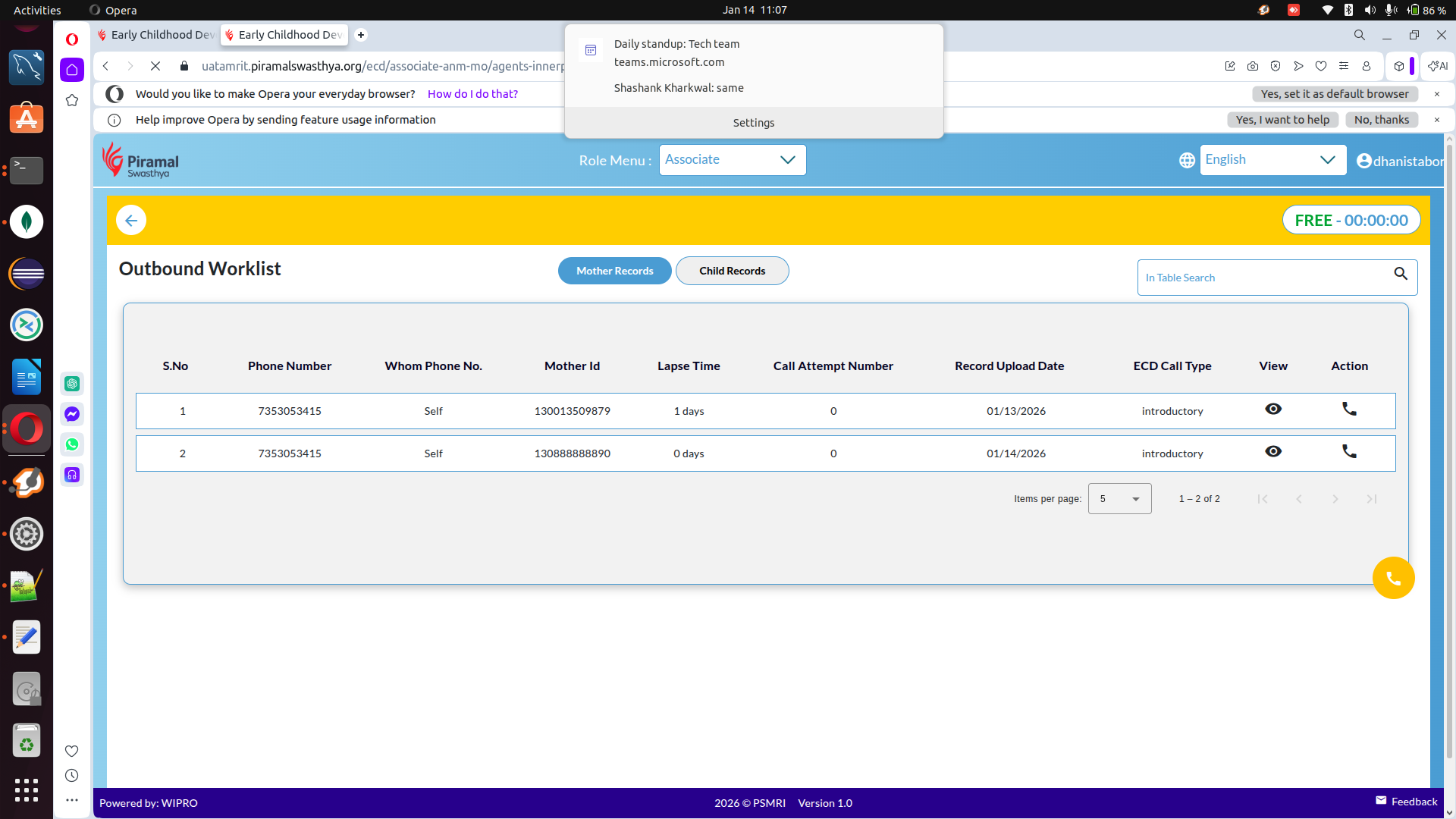
Tables inlvoed: Counts will taken from t_mothervalidrecord table(this table handle all introductory call count based on isAllocated flag) and language map check with v_get_userlangmapping.
t_mctsoutboundcalls are the call history
5. Preventive Actions (To prevent recurrence)
...
Include session expiry test cases in regression suite.
...
6. Verification of Effectiveness
Session key validation in
tm-apiwas tested using valid and expired JWT tokens. Requests correctly returnUSERID_FAILURE (5002)for invalid/missing keys. Protected endpoints remain accessible for valid sessions, fallback tocommon-apino longer occurs, and no forced re-login is observed after Redis expiry.
7. Lessons Learned
Always implement critical validation logic (
checkKeyExists) within the service itself to prevent fallback to external services and avoid generic errors.Proper error mapping and meaningful status codes improve troubleshooting and user experience.
Session handling should account for expiry, Redis failures, and IP validation to maintain secure and uninterrupted access.
Early testing of authentication and session scenarios prevents recurrence of similar issues.
Logging and monitoring of failed validations are essential for quick detection and resolution of issues.
8. CAPA Review & Closure
...